Can nature-inspired artwork make a home feel more relaxing?
The short answer is yes, nature-inspired artwork can make a home feel more relaxing. The effect is not just a matter of taste, but is rooted in how humans respond to natural forms, colors, and textures. When chosen thoughtfully, pieces like botanical prints, landscape photography, or preserved moss wall art bring a sense of calm and connection to the outdoors that synthetic decorations often lack.
The idea works because our brains are wired to find comfort in natural patterns. Research in environmental psychology shows that exposure to natural scenes lowers stress markers like cortisol and heart rate. This is called biophilia, the innate human tendency to seek connections with nature. By bringing elements of the outdoors inside, you create a visual environment that signals safety and restfulness to the nervous system. This is why a room with natural home wall art can feel more soothing than one with abstract geometric shapes or high-contrast modern art.
How natural imagery affects the senses
Color is one of the most direct ways artwork influences mood. Natural scenes often use muted greens, soft blues, warm browns, and earthy beiges. These tones are associated with calmness, stability, and renewal. A piece of natural home wall art that uses these colors can make a room feel grounded and quiet. This is especially useful in spaces meant for unwinding, such as a bedroom or a reading nook.
Texture also plays a role. A smooth printed poster does not have the same effect as a textured piece like preserved moss or woven fiber art. Tactile variety, even when only visual, adds depth and mimics the complexity of natural landscapes. Preserved moss wall art, for instance, offers a soft, organic surface that changes with light. It does not demand attention the way a glossy frame might, which helps the room feel restful rather than busy.
Practical placement for maximum calm
Where you hang natural home wall art matters as much as what it looks like. The goal is to create visual anchors that guide the eye without overwhelming it. In a home office, a single large piece of botanical art behind the desk can provide a focal point that reduces mental fatigue. In a living room, a grouping of smaller nature-themed prints arranged in a grid can create rhythm and balance. Avoid covering every wall. Negative space, the empty area around and between pieces, lets each artwork breathe and prevents visual clutter, which is a known source of low-level stress.
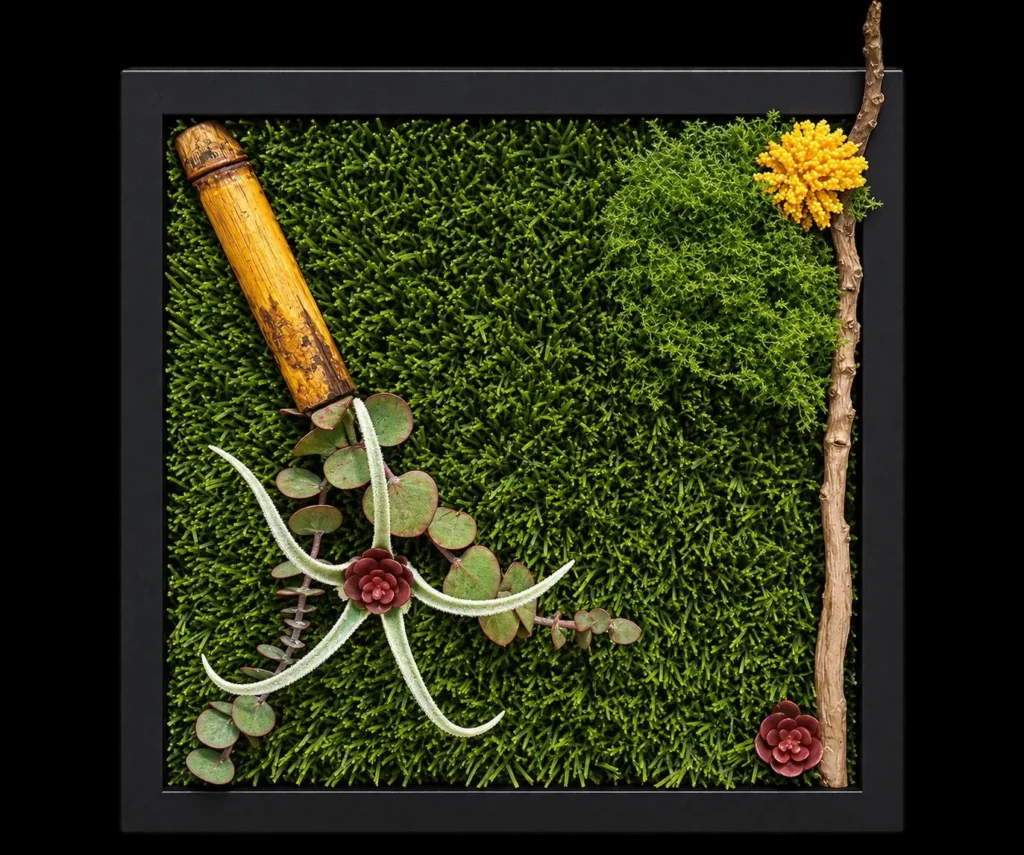
Lighting also changes how the artwork feels. Soft, diffuse light from a lamp or a window works best. Harsh overhead light can flatten the texture and wash out the colors. If you have a piece like preserved moss, indirect natural light brings out its subtle variations. For prints or paintings, warm white bulbs around 2700 Kelvin mimic sunset light and enhance the calming effect of the natural tones.
Choosing the right style for each room
Not all natural home wall art suits every space. A large, intricate forest mural might feel overwhelming in a small bedroom, while a delicate pressed-flower frame could get lost in a large, high-ceilinged living room. Proportion is key. Measure the wall and choose a piece that fills about two-thirds of the available space for a balanced look. For a reading nook, a smaller piece at eye level creates an intimate focal point. For a hallway, a series of small botanical sketches at regular intervals can guide movement through the space without demanding a long pause.
The subject matter also matters. Abstract nature forms, such as watercolor washes of green and blue, work well in modern interiors where realism might feel out of place. Realistic botanical prints suit traditional or rustic homes. For a minimalist space, a single preserved moss panel offers texture without pattern, which keeps the room serene without introducing distracting details.
How natural wall art interacts with other elements
Natural home wall art works best when it complements the room's existing colors and materials. If the room has a lot of wood furniture, earthy greens and browns in the artwork will echo that warmth. If the walls are white or neutral, a piece with soft blue or sage tones can add a gentle contrast. Avoid artwork that clashes with the room's dominant color temperature. A cool blue painting in a room with warm terracotta walls can feel disjointed rather than relaxing.
Textures in the room should also harmonize. A rough, organic piece like bark or moss pairs well with smooth surfaces like glass or metal, creating a balanced sensory experience. If the room already has many textured elements, such as a chunky knit throw and a woven rug, a smooth print or photograph can offer a restful counterpoint.
WooPay offers a selection of preserved moss wall art that fits naturally into this approach. The materials and craftsmanship reflect a respect for organic forms that many homeowners find calming.
Maintenance and longevity
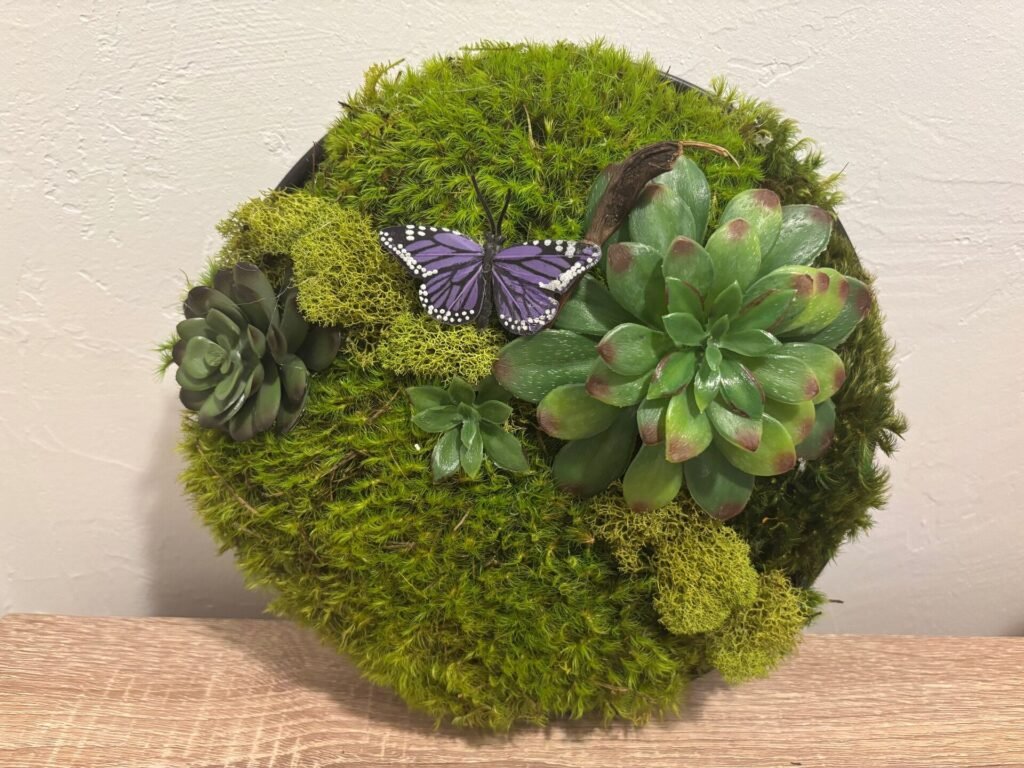
One practical concern with natural materials is upkeep. Preserved moss requires minimal care: keep it out of direct sunlight to prevent fading, and avoid high humidity areas like bathrooms without ventilation. Dust it gently with a soft brush or a low-power hair dryer on a cool setting. Unlike real plants, it needs no watering or pruning, so it stays consistent year after year. Printed or painted artwork needs standard care: keep it away from moisture and direct sunlight to prevent paper yellowing or paint fading. A simple frame with UV-protective glass extends the life of prints.
Because preserved moss does not change, it offers a stable visual anchor. This can be comforting in a room that you use for winding down, as it does not introduce seasonal variation or require rearrangement. If you prefer variety, you can rotate smaller pieces seasonally, swapping in warmer tones in autumn and cooler greens in summer.
Common mistakes and how to avoid them
A frequent error is choosing artwork that is too small for the wall. A tiny frame on a large empty wall creates a sense of incompleteness that can feel unsettling. Another is hanging artwork too high. The center of the piece should be at eye level, roughly 57 to 60 inches from the floor, in rooms where people stand. In a reading nook or bedroom, where people sit or lie down, you can hang it a few inches lower so it stays in the natural line of sight.
Overmatching is another trap. If every piece in the room uses exactly the same shade of green, the space can feel flat. Mix different natural tones, such as moss green with bark brown and sky blue, to create depth. Also avoid placing natural wall art directly opposite a mirror or a reflective surface, as the doubled image can create visual noise that undermines the calm effect you are aiming for.
WooPay pieces, with their organic textures and subtle color variations, avoid many of these pitfalls by design. The natural irregularities in preserved moss mean each piece has its own character, so it does not look mass-produced or sterile.
The role of personal connection
Relaxation is subjective. A landscape that reminds one person of a peaceful hiking trail might feel generic to another. The most effective natural home wall art is the one that resonates with you personally. That could be a photograph of a beach you love, a pressed fern from a local park, or a piece of moss art that evokes a forest floor. When the artwork holds personal meaning, the calming effect is stronger because it triggers positive memories and associations.

For rooms used by multiple people, consider a neutral natural scene that most find pleasant. A soft abstract in earth tones or a simple botanical print usually works well. Avoid highly specific or polarizing images, such as a close-up of an insect or a stormy sea, which might cause unease rather than relaxation.
Bringing it all together
Nature-inspired artwork can indeed make a home feel more relaxing, but the effect depends on thoughtful selection and placement. Use colors and textures that echo the natural world, choose pieces proportional to the wall, and support them with soft lighting and negative space. The result is a room that feels calm, grounded, and connected to the outdoors, even when you are indoors.